How to Choose the Right Shirt Collar
The collar is the part of a shirt that sits closest to your face, and the part people notice first. Choosing it well is one of the simplest upgrades in men's dressing.
Options Mall Menswear Journal — Mumbai
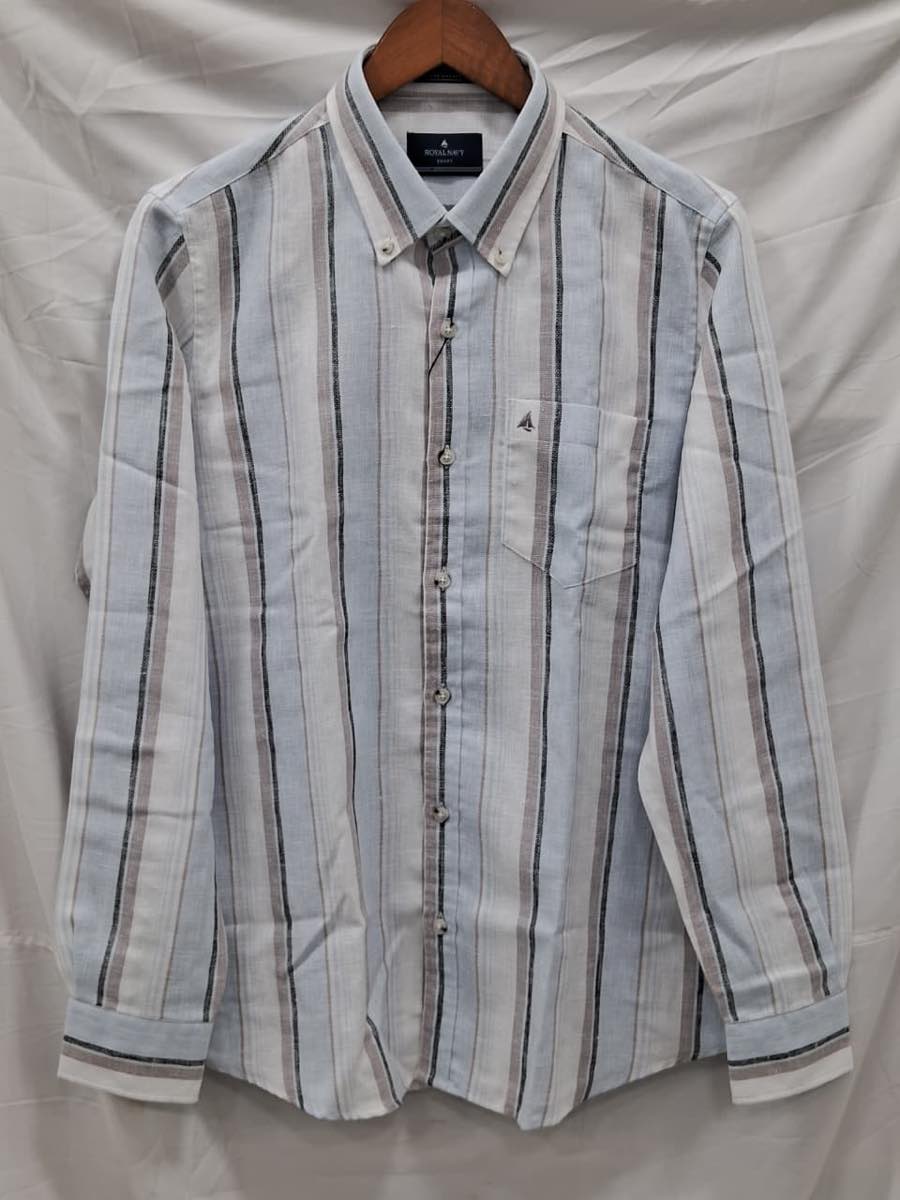
In conversation, people look at your face. That means the collar of your shirt is always in view, framing your jaw and neck, holding your tie and setting the tone of the whole outfit. A sharp, well-proportioned collar makes even a simple shirt look refined. A collar that is too small, too floppy or wrong for the occasion undermines everything else, however good the fabric or fit.
Formal shirt collar styles can seem bewildering at first: point, spread, cutaway, button-down, club, band, wing. But each exists for a reason, and once you understand what they do, choosing becomes simple. This essay explains the main styles, how they relate to your face and frame, and how to match them to ties and occasions.
Why the collar matters so much
The collar does three jobs at once. It frames the face, drawing the eye up towards it. It anchors the tie, determining how much of the knot shows and how it sits. And it signals formality: a stiff, sharp collar reads businesslike, while a soft or buttoned-down one reads relaxed.
Because the collar does all of this so close to the face, small differences matter. A few millimetres in the length of the collar points, or a slight change in the angle between them, can change how wide your face appears and how balanced your shoulders look.
Choose the collar for the face above it and the tie inside it, and the rest of the shirt will follow.
Reading a collar
Before comparing styles, it helps to know what to look for.
- Points: the two tips of the collar. Their length affects how much the collar draws the eye downwards.
- Spread: the distance between the points. A narrow spread leaves little room for a tie knot; a wide spread leaves a lot.
- Band: the strip that wraps around the neck. A taller band sits higher and looks more formal; a lower band looks relaxed.
- Interlining: the inner layer that gives the collar body. A firmer interlining keeps a crisp shape; a softer one rolls more naturally.
Some formal collars also have small slots on the underside for removable collar stays, which keep the points straight. Our collar studio shows each part in close-up, and the essay on shirt construction and details explains how collars are built.
The classic collar styles
Point collar
The point collar has a relatively narrow spread and longer points that angle downwards. It is the traditional business collar, neat with slimmer tie knots and good at adding apparent length to a rounder face.
Semi-spread collar
Between point and spread, the semi-spread is the most versatile collar there is. It sits well with or without a tie, works with most knots and suits most faces. If you are choosing one collar style for everyday office wear shirts, this is the safest.
Spread collar
A wider angle between the points, leaving room for fuller tie knots. It looks confident and contemporary, balances a longer or narrower face and works especially well under a suit jacket.
Cutaway collar
An extreme spread, with points swept back almost horizontally. It makes a strong, fashion-conscious statement and needs a substantial knot to fill the space. It is less suited to very wide faces.
Button-down collar
Here the points are fastened to the shirt front with small buttons, like the striped shirt on the cover of this essay. The buttons hold a soft roll in the collar, which looks relaxed and natural. Button-down collars are ideal for business-casual days and look especially good without a tie, but are generally considered less formal than point or spread collars for suits and important meetings.
Specialist collars
A few collars appear less often but are worth knowing. The club collar has rounded points and a slightly vintage character. The band or mandarin collar has no points at all, just the standing band, and is clean and minimal but not designed for a tie. The wing collar, with small points folded outward, belongs to formal evening wear with a bow tie rather than to daily office dressing.
Matching the collar to your face
The general principle is balance: choose a collar that counteracts rather than exaggerates your features.
- Round or wide face: point or narrower semi-spread collars add vertical lines that lengthen the face.
- Long or narrow face: spread or cutaway collars add width and balance.
- Oval face: almost any style works; pick by occasion.
- Short neck: a lower collar band and longer points avoid a cramped look.
- Long neck: a taller band fills the space more elegantly.
Your frame matters too. Broad shoulders and a larger build carry bigger collars well; a slight frame looks best in a more modest collar. For more on how proportions interact, see how to choose the right formal shirt fit.
With a tie or without
Match the knot to the spread. A narrow point collar suits a compact four-in-hand knot; a spread or cutaway suits a fuller half-Windsor or Windsor. A large knot squeezed into a narrow collar pushes the points outward, while a small knot in a wide spread leaves an awkward gap. Our tie pairing guide covers knots and patterns.
Without a tie, the collar has to hold its shape on its own. Button-down and semi-spread collars do this well. Wide spreads and cutaways can splay or collapse when worn open, unless they have firm interlining or collar stays.
Semi-spread for everyday office wear. Spread for suits and fuller knots. Point for slimmer ties and rounder faces. Button-down for business-casual and tieless days. Band collars for relaxed, minimal styling.
Collars on casual shirts
Casual shirts usually have softer collars with lighter interlining, designed to look easy worn open. They follow the same shapes as formal collars but rarely aim for the same crispness.
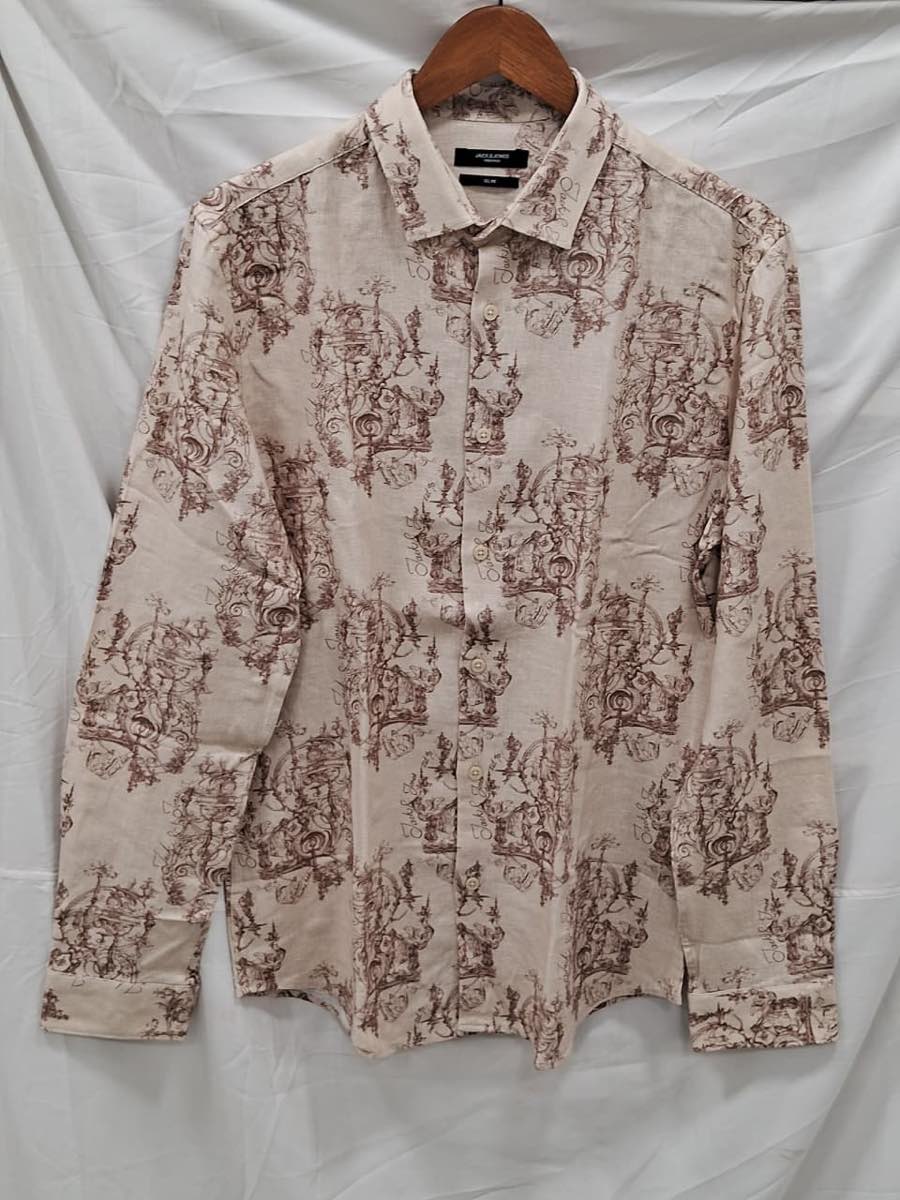
The printed shirt above shows how the same basic collar shape changes character on a casual garment. Worn open, with no tie and a relaxed print, its collar simply frames the neck rather than structuring an outfit. This is why formal and casual shirts feel so different even when their collars look similar on paper.
Choosing your collar
The right shirt collar depends on three things: your face and frame, whether you will wear a tie, and how formal the occasion is. A practical wardrobe of men's formal shirts might include mostly semi-spread collars for everyday work, a spread collar or two for suits and important events, and a few button-downs for relaxed days.
Collars and cuffs work as a pair, so read understanding formal shirt cuffs next, and see the details section of the collar and cuff studio for a closer look. To try different formal shirt collar styles, visit Options Mall in Vile Parle West or call +91 8369381345 to ask about current styles.